

The West Loop has transformed from a former warehouse and meatpacking district into one of Chicago’s and the country’s most recognized neighborhoods for dining, entertainment, modern development, and city living. From the restaurants of Randolph Street and Fulton Market to Greektown, neighborhood parks and convenient access to downtown, there is always something happening nearby.
Whether you are considering buying, selling or simply spending more time in the neighborhood, here are answers to some of the most common questions I receive about the West Loop.
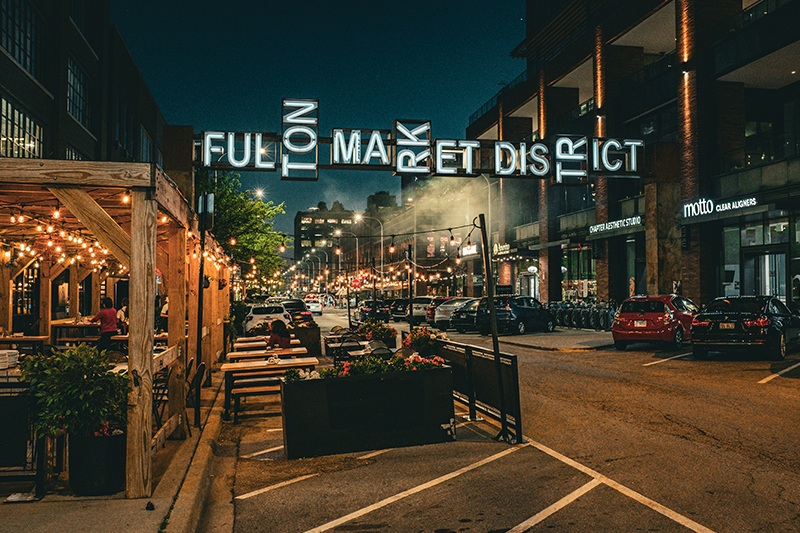

The West Loop is directly west of Chicago’s downtown Loop. While boundaries can vary depending on who you ask, the neighborhood generally includes the areas surrounding Randolph Street, Madison Street, Fulton Market and Greektown.
Its location makes it especially convenient for anyone who wants to be close to downtown while enjoying a neighborhood with its own distinct restaurants, parks, shops, office buildings, and gathering places.
Fulton Market is commonly discussed as part of the greater West Loop area, although it has developed its own very distinct personality.
The Fulton Market District is known for its converted industrial buildings, restaurants, hotels, offices, shops and newer residential developments. Fulton Market continues to grow rapidly. The traditional West Loop south of Fulton Market tends to offer a mix of lofts, condominiums, townhomes and newer construction.
The West Loop is best known for its dining scene, historic industrial architecture and mix of older warehouse conversions with contemporary development.
Randolph Street is often referred to as Restaurant Row, while Fulton Market includes nationally recognized restaurants, cocktail bars, hotels and entertainment venues. Greektown adds another layer of neighborhood history with restaurants, bakeries and the National Hellenic Museum.
West Loop is also an ideal place to live if you work in the South, Southwest or Western Suburbs but choose to live in the city because it is right off of Highways 290 and 55 and has numerous transportation options.
West Loop real estate includes:
- Timber and concrete lofts
- Boutique condominium buildings
- Full-amenity high-rises
- New-construction condos
- Townhomes
- Penthouses and luxury residences
Buyers can find everything from character-filled lofts with exposed brick and timber beams to modern homes with floor-to-ceiling windows, private elevators, and expansive outdoor spaces with city skyline views.
A timber loft typically features wood columns, beams, exposed brick and a warmer historic character. A concrete loft may have exposed concrete ceilings and columns, larger windows and a slightly more modern industrial appearance.
Both can offer high ceilings and open layouts, but loft buyers should pay attention to bedroom walls, sound transfer, storage, natural light and whether the bedrooms are fully enclosed. Concrete condos are often very quiet, with little noise transfer compared to timber lofts. However, the timber lofts offer a softer feel.
Before purchasing a loft, review more than its style and finishes. Important considerations include:
- Whether bedrooms are fully enclosed
- Ceiling height and window placement
- Sound transfer between units
- Storage space
- Parking availability
- Building reserves
- Upcoming maintenance projects
- Rental restrictions
- The condition of windows, masonry, and roof systems
Condo assessments may cover common-area maintenance, building insurance, water, landscaping, snow removal, door staff, amenities and contributions to the association’s reserves.
Some buildings also include heat, gas, cable or internet. A higher assessment is not automatically a negative if it covers valuable services and the association is financially healthy.
The most useful comparison is the total monthly cost and exactly what is included.
Yes. Many newer and luxury buildings offer features such as:
- 24-hour door staff
- Fitness centers
- Resident lounges
- Outdoor terraces
- Pools
- Coworking spaces
- Dog-washing stations
- Dog runs
- Package rooms
- On-site management
Amenities vary greatly, so buyers should decide which features they will actually use before paying a premium for them.
Mary Bartelme Park has an official Chicago Park District Dog Friendly Area. Park No. 569, near Loomis and Monroe, also includes a designated dog-friendly area.
Pet policies vary by condominium building, so buyers should always confirm weight limits, breed restrictions, fees and the number of pets permitted before making an offer.
The West Loop has one of Chicago’s deepest restaurant selections, ranging from casual neighborhood spots to special-occasion dining.
Popular destinations throughout the broader area include Girl & the Goat, Monteverde, Avec, Rose Mary, Publican Quality Meats, Swift & Sons and numerous Greek restaurants along Halsted Street. Restaurant openings change frequently, so there is almost always somewhere new to try.
Greektown is the area centered around Halsted Street on the eastern side of the West Loop.
It is known for longtime Greek restaurants, bakeries, neighborhood events and the National Hellenic Museum. It offers a different experience from the newer Fulton Market District while remaining within walking distance of the rest of the West Loop.
Yes. The neighborhood includes a growing mix of national retailers, independent boutiques, fitness studios, salons, home stores and specialty shops.
Fulton Market has attracted many newer retail concepts, while Madison Street offers everyday services and neighborhood businesses.
The West Loop offers access to the CTA Green, Pink and Blue Lines, multiple bus routes, nearby expressways and Chicago Union Station.
The best transportation option depends on where in the neighborhood you live. A home near Morgan Street may provide different train access than one closer to Halsted Street or the western edge of the neighborhood.
Many residents can manage daily errands, dining and commuting without a car because of the neighborhood’s location, public transportation and concentration of businesses.
That said, convenience varies by exact address. Buyers should consider their commute, grocery preferences and regular destinations when deciding whether parking is necessary. With the West Loop's proximity to downtown, many people walk and have little commute.
Many condos include deeded or assigned parking, but it is not universal. Parking may be included in the purchase price, sold separately or leased from another owner. Some buildings have no parking as well.
Buyers should confirm whether a space is deeded, limited common element or assigned, along with any monthly parking assessment and restrictions on renting or selling it separately. Keep in mind that deeded parking is owned and also has a monthly assessment and taxes.
It depends on the experience you want.
Fulton Market tends to feel newer and more energetic, with hotels, offices, nightlife and major restaurant destinations. The areas farther south may offer a more residential atmosphere, neighborhood parks, loft buildings and easier access to Madison Street and Greektown.
Rather than choosing based only on the neighborhood name, spend time walking several blocks at different times of day and compare the actual buildings.
Popular annual events include Taste of Randolph, Taste of Greektown, seasonal artisan markets and neighborhood holiday events. Dates and programming change each year, but food festivals and local pop-ups are a big part of the neighborhood.
Spend the day exploring restaurants along Randolph Street and Fulton Market, visit the National Hellenic Museum, WNDR Museum, shop local boutiques, relax at Mary Bartelme Park or Skinner Park, or head to a nearby concert or game at the United Center.
West Loop addresses may fall within different Chicago Public Schools attendance boundaries, with Skinner West serving many parts of the neighborhood. The popular selective enrollment high school, Whitney Young, is also located in the West Loop near Skinner Park. Buyers should always verify the assigned elementary and high schools for a specific property through the CPS School Locator, since boundaries can vary by block and may change. The neighborhood also offers access to private, magnet and selective-enrollment options throughout Chicago.